
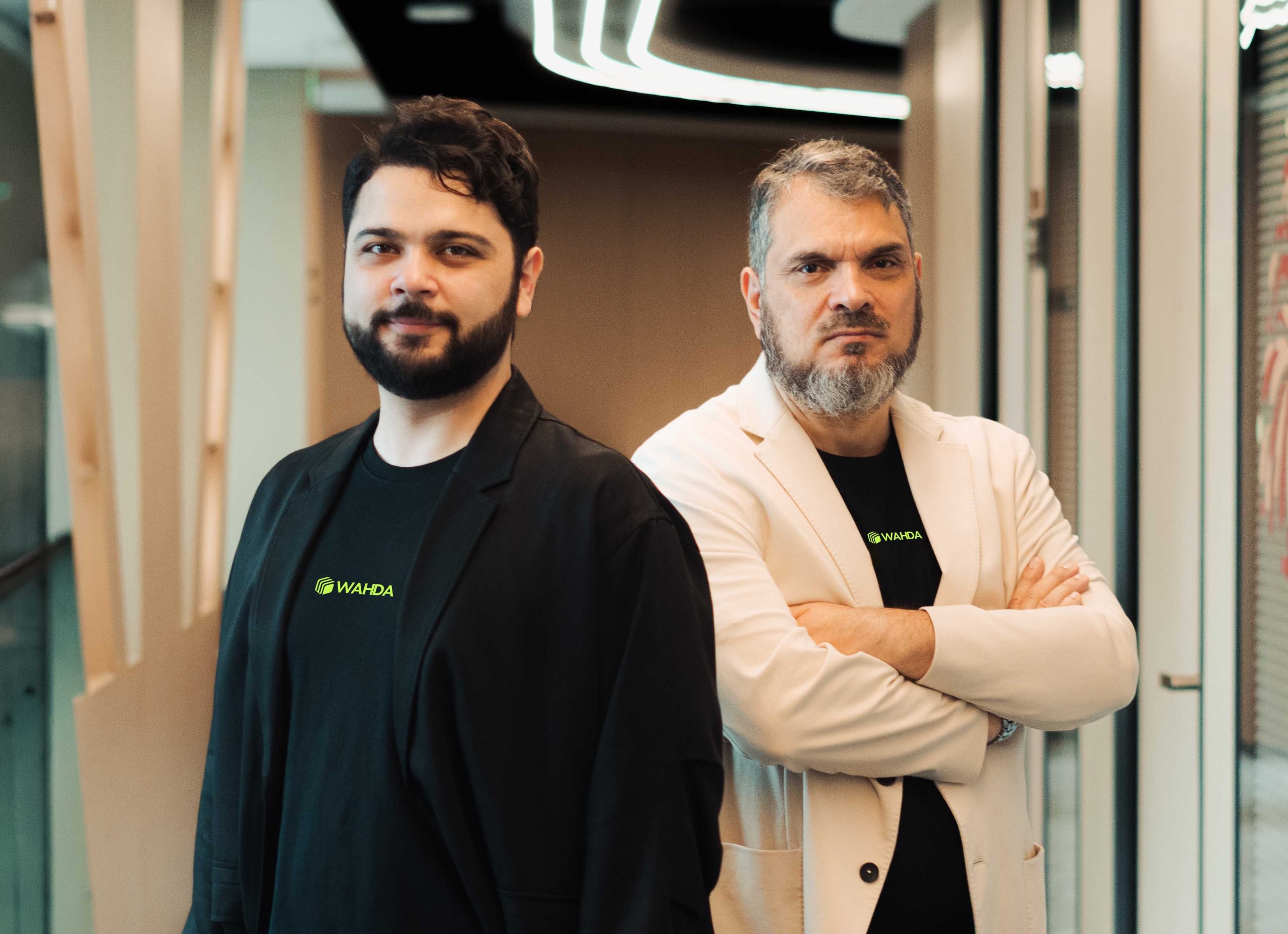



Can a Muslim social media platform take on Meta? Father-and-son duo Hakan Ozyon and Ali Ozyon think so.
With Muslim voices often marginalised or suppressed on mainstream social media, the Australian pair believe Muslims need a digital space built specifically for them.
And they have built one.
Wahda is an all-in-one app created for the daily needs of Muslims. It offers chat, social features, Islamic tools like prayer times, qibla, Quran, hadiths, and Sheikh Wahda, an Islamic AI.
Their passion to serve the ummah began in 2007, when they came up with the idea of providing Sharia-compliant financial solutions. In 2014, Hejaz was established in Melbourne, Australia. What started as a way to address financial challenges for Muslims has since evolved into a mission to empower the community.
We spoke with Hakan and Ali about Wahda and their belief that the world’s two billion Muslims can come together on a platform made for their values, culture, and communities.
Can you tell us a bit about Wahda in your own words?
Wahda is a social platform built to connect the Muslim world through communication, community, and opportunity. It combines messaging, voice and video calls, Islamic tools, groups, creators, local communities, events, and services into one ecosystem designed around the needs of Muslims. More than an app, it’s a digital infrastructure for a global community of nearly two billion people. Our mission is simple: bring people closer together and give the Muslim world greater ownership of its digital future.
What was the specific moment, a conversation, a frustration, an experience, when you realised Muslims needed their own platform?
It wasn’t one moment; it was years of watching the same pattern repeat itself. Muslims have become some of the world’s most active users of technology, yet we remain dependent on platforms that weren’t built with our values, priorities, or communities in mind. We saw creators being deplatformed, communities struggling to organise, and billions of dollars in value being created without meaningful ownership or representation. Eventually, the question became impossible to ignore: if not us, then who?
You talk about taking on Meta. What gives you confidence that Wahda can compete with companies that have billions of dollars and years of head start?
We’re not trying to outspend Meta, we’re trying to outfocus them. Meta serves billions of people across every demographic imaginable, while Wahda is built specifically for one of the largest and fastest-growing communities in the world. History shows that highly focused platforms often create stronger engagement than broad, generic ones. When a community feels understood, represented, and valued, that creates a level of loyalty money alone cannot buy.
What’s the one feature in the app you’re most proud of, the one that captures what Wahda is about? The communities feature captures the heart of Wahda. It allows mosques, schools, organisations, creators, and local groups to build meaningful digital spaces where people can communicate, organise events, share knowledge, and support one another. It transforms technology from a passive consumption tool into a platform for real-world connection. That’s what Wahda stands for: unity translated into action.
Where is Wahda in terms of public availability?
Wahda is currently preparing for public launch in Q4 2026, with significant interest already generated before any major marketing activity has begun. The core platform will be free to use, because connections and community should be accessible to everyone. Our focus right now is ensuring that the experience is seamless, scalable, and ready for a global audience. We would rather launch right than launch fast.
If Wahda succeeds the way you hope, what does daily life look like for a young Muslim using it 3 years from now?
A young Muslim won’t need to jump between multiple apps to stay connected to their community. They can message friends, follow creators they trust, discover local events, connect with their mosque, join interest groups, and access opportunities all within one ecosystem. Most importantly, they’ll feel like they belong in a digital environment that understands their identity rather than treating it as an afterthought. That’s the future we’re building toward.
For readers who want to be part of this journey, what’s the best way to get involved before launch?
The best place to start is by joining the waitlist and becoming part of the founding community. Early supporters will help shape the platform, provide feedback, and play a role in building something that could impact generations to come. We’re also looking for community leaders, creators, organisations, and ambassadors who share the vision. Movements are built by people, not by technology.
Anything about this story you feel hasn’t been told yet, that you wish more people understood?
Most people see Wahda as a technology story, but at its core it’s a community story. This isn’t about building another app and hoping people download it. It’s about proving that Muslims can build global technology platforms, own digital infrastructure, and create solutions at scale. If Wahda succeeds, the most important outcome won’t be the company itself, it will be inspiring an entire generation to believe they can build the next one, so we don’t rely on other platforms.
Wahda is currently in the pre-launch phase, with the app launch scheduled for Q4 2026: you can join the waiting list at www.wahda.com or follow @wahdaapp on Instagram to stay up-to- date with the latest information.