





The Labour Party suffered heavy losses in the local elections, with many critics arguing the results were driven in part by Muslim and minority voters abandoning the party.
Although Reform UK were the clear winner, strong performances by the Greens and independent candidates highlighted growing space for progressive and community-based alternatives outside the traditional two-party system.
Independent candidates, many backed by pro-Palestine and Muslim voters, secured notable results in areas including Birmingham, East London and West Yorkshire.
Despite intense scrutiny and expected backlash from right-wing media, Lutfur Rahman and the Aspire Party retained control in Tower Hamlets.
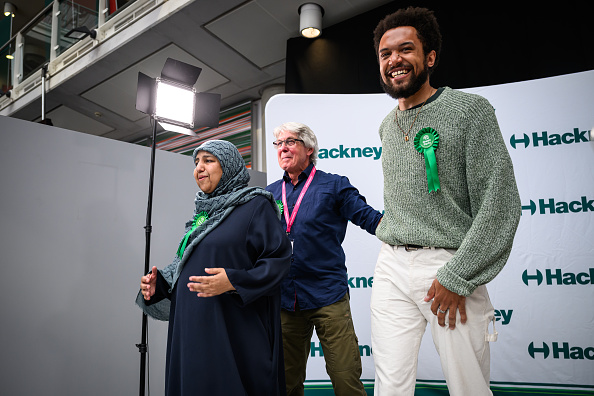
Meanwhile, the Green Party of England and Wales took control of councils in Norwich, Hastings and Waltham Forest, while also winning mayoral contests in Hackney and Lewisham.
In contrast, both Labour and the Conservatives suffered significant losses.
Labour losing traditional Muslim voters?
For Labour, the decline was particularly sharp in areas where the party has traditionally been strongest, especially in wards with large Muslim populations.
Labour’s losses appear to have fragmented across several parties, including the Greens, independents and Liberal Democrats — reinforcing criticism from former supporters that the party has alienated parts of its traditional base by moving further to the right.
The Conservatives saw support collapse in several areas where Reform performed strongly. But analysts noted that Reform itself could face future challenges from similar populist parties such as Restore, which backed a group in Great Yarmouth that prevented Reform from securing a majority.
The Muslim Council of Britain said the results showed that the “traditional duopoly between the major parties has fragmented”.
But it also expressed concern over Reform UK’s rise. “We note in particular the scale of Reform UK’s wins,” the organisation said in a statement.
“A party, many of whose senior figures and candidates have engaged openly in Islamophobia, denied the lived reality of immigrants, and built campaigns on the scapegoating of minority communities, has been rewarded with the most council seats so far.”
Dr Wajid Akhter, Secretary General of the Muslim Council of Britain, said: “No result can change the fact that this is our home. No politician or policy can make us strangers in our own streets. And no amount of hate will intimidate us into changing who we are or what we believe. Success is not final, failure is not fatal, it is the courage to rise to the challenge that counts.”