
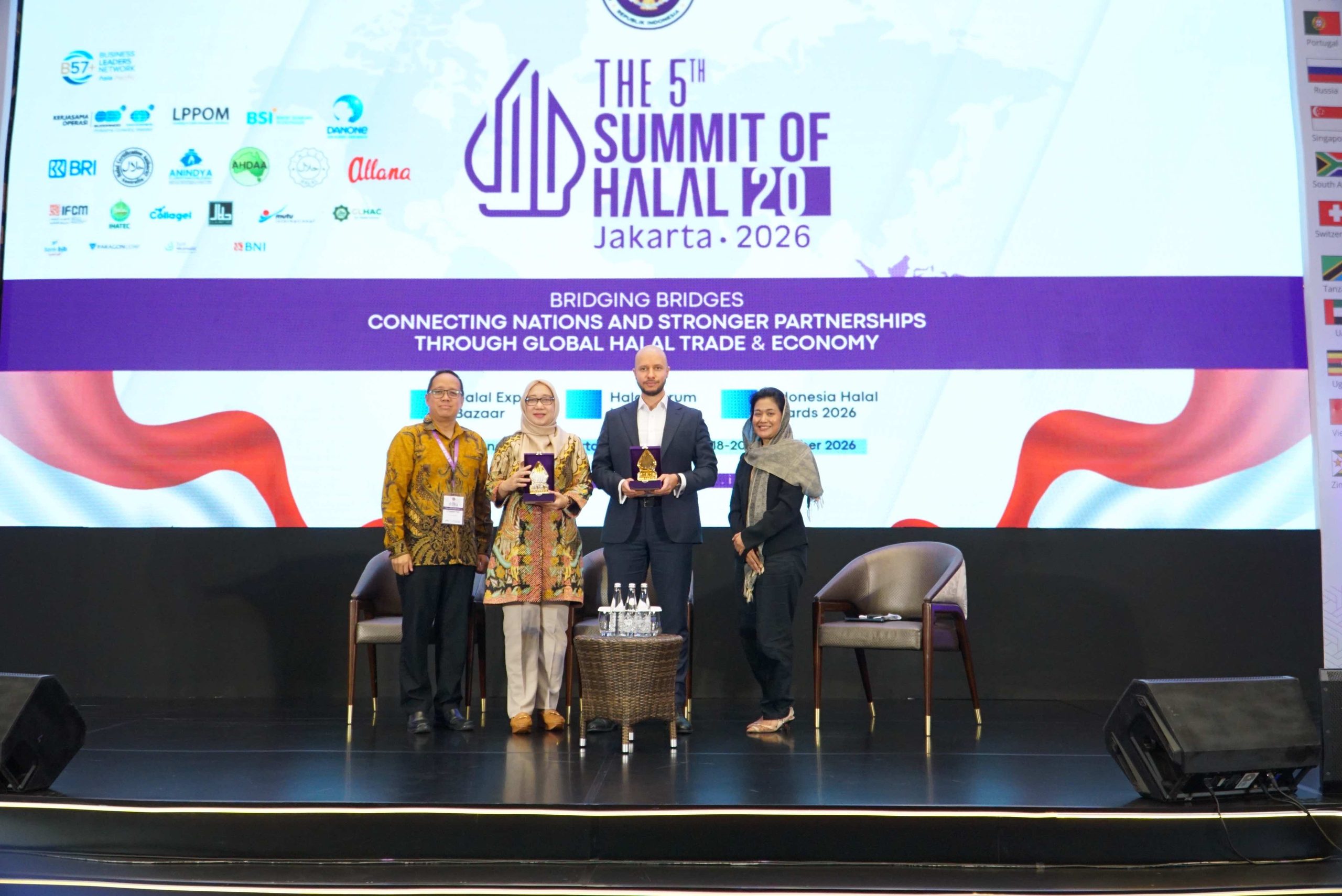




Islam Channel signed a Memorandum of Understanding (MoU) with Indonesia’s Halal Product Assurance Organizing Agency (BPJPH) at the 5th Halal20 (H20) Summit in Indonesia.
This partnership is one of several agreements announced at the summit, which brings together organisations and institutions from the global halal industry.
The agreements cover halal certification, trade, education, research, and international cooperation.
For Islam Channel, the MoU is a chance to work with Indonesia’s halal authority and join discussions about how halal is understood and shown in the media.
The H20 summit is part of Indonesia’s efforts to strengthen international cooperation around the halal economy and promote greater collaboration on halal standards between countries.
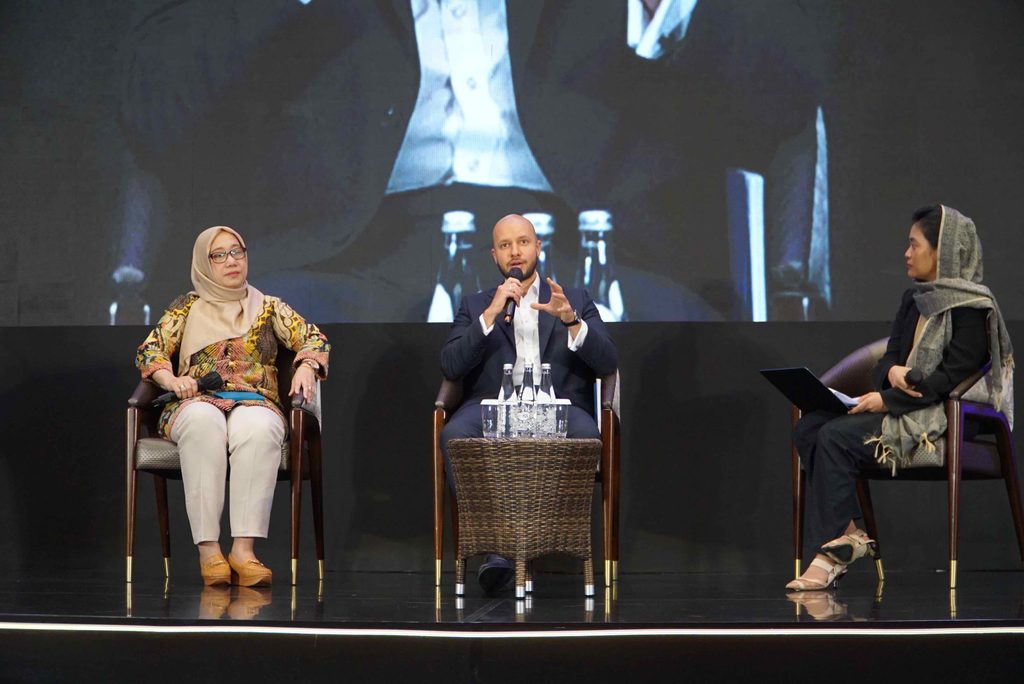
Islam Channel CEO Mohamed Harrath was a panellist at the summit to discuss the media’s role in shaping the public’s understanding of halal.
Mohamed said the media plays an important role in representing halal accurately, saying that the concept is often presented through negative or distorted narratives in the West.
He added that media organisations like Islam Channel play an active role in tackling that imbalance by highlighting the ethics behind halal.
Strengthen international cooperation
The summit brought together 450 participants from 48 countries under the theme “Bridging Bridges: Connecting Nations & Stronger Partnerships through Global Halal Trade & Economy.”
A key focus of the summit was to strengthen international cooperation on halal certification, including establishing mutual recognition agreements between certification bodies to make cross-border trade easier.
The summit also aimed to improve global halal governance, support inclusive economic growth, and encourage collaboration through business partnerships, joint research, and international cooperation.
Indonesia is looking to strengthen its position as a major player in the global halal economy.
It has the world’s largest Muslim population and has developed an extensive halal certification system covering products and services ranging from food and drink to cosmetics and pharmaceuticals.
The country has also introduced mandatory halal certification requirements in stages, as part of a wider government strategy to develop its halal industry.