






Eight Muslim-majority countries have announced their decision to join US President Donald Trump’s newly launched “Board of Peace” initiative, a move that has raised concerns across the international community.
Saudi Arabia, Turkey, Egypt, Jordan, Indonesia, Pakistan, Qatar and the United Arab Emirates will each appoint a representative to sit on the panel of world leaders, according to a joint statement issued by their foreign ministers.
Israel has also confirmed it will join after initially suggesting the initiative ran contrary to its policy. Meanwhile, Trump said Russian President Vladimir Putin agreed to participate, but Moscow stated the invitation remains under consideration.
The board was initially presented as an initiative to end Israel’s genocidal war against Palestinians in Gaza but critics warn its remit could be wider and undermine the role and work of the United Nations.
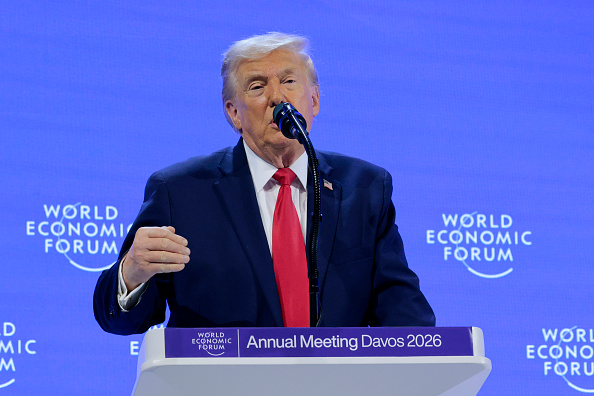
Last week, Trump announced he would serve as the board’s chair. The White House named seven members of the founding Executive Board, which was dominated by figures seen as strongly pro-Israel.
It included US Secretary of State Marco Rubio, Middle East envoy Steve Witkoff, Trump’s son-in-law Jared Kushner, and former UK Prime Minister Tony Blair. Former UN official and Bulgarian diplomat Nickolay Mladenov was appointed High Representative for Gaza.
$1m to join the board
A separate Gaza Executive Board was also announced, tasked with supporting governance and public services in the territory.
Blair, Kushner and Witkoff will sit on this body alongside Turkish Foreign Minister Hakan Fidan, Qatari diplomat Ali Al Thawadi and other international representatives.
The Board of Peace has reportedly been granted a UN Security Council mandate to oversee post-war administration in Gaza until the end of 2027.
Leaked documents suggest member states will hold renewable three-year terms, with permanent seats available to countries that contribute $1bn (£740m).
In a joint statement, the participating Muslim-majority nations said they endorsed efforts to secure a permanent ceasefire in Gaza, support reconstruction, and advance what they described as a “just and lasting peace.”
“The Ministers reiterate their countries’ support for the peace effort… aimed at consolidating a permanent ceasefire, supporting the reconstruction of Gaza, and advancing a just and lasting peace grounded in the Palestinian right to self-determination and statehood in accordance with international law, thereby paving the way for security and stability for all countries and peoples of the region,” the statement said.