

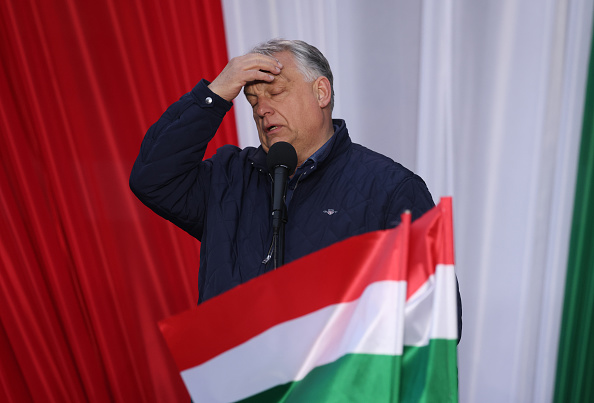



Hungary’s authoritarian leader Viktor Orbán suffered a decisive electoral defeat, marking a major setback for Israel and a network of populist, far-right governments that champion hardline anti-migrant and anti-Muslim politics.
Orbán’s 16-year rule came to an end after a crushing loss to the opposition Tisza party. Led by Péter Magyar, Tisza secured 138 of 199 parliamentary seats.
The result follows years of economic stagnation, corruption scandals and growing public dissatisfaction with Orbán’s increasingly authoritarian style of governance.
Critics say the outcome also reflects a broader rejection of far-right and exclusionary politics.
Orbán and his party, Fidesz, have been widely associated with anti-Muslim narratives in Hungary and Central Europe, repeatedly framing Muslim migration as a threat to Europe’s identity.
His defeat is being interpreted as a wider blow to the global populist right, including figures such as Donald Trump and Benjamin Netanyahu.
Trump publicly endorsed Orbán while US Vice President JD Vance travelled to Budapest just before the vote to campaign on his behalf.
A blow for Israel
For Netanyahu in particular, the loss of one of his closest European allies is likely to carry significant diplomatic consequences.
Over the past 15 years, the relationship between the two leaders has extended beyond far-right political messaging.
Orbán welcomed Netanyahu to Hungary despite an arrest warrant issued by the International Criminal Court.
He withdrew Hungary from the court— effectively making it one of the few places Netanyahu could visit without risk of arrest. Netanyahu praised the move as “bold and principled”.
Within the European Union, Orbán had also been a consistent ally to Israel, repeatedly blocking joint statements critical of Israeli actions and resisting calls for punitive measures.
Hungary broke ranks with the other 26 EU member states by refusing to support calls for a ceasefire in Gaza.