
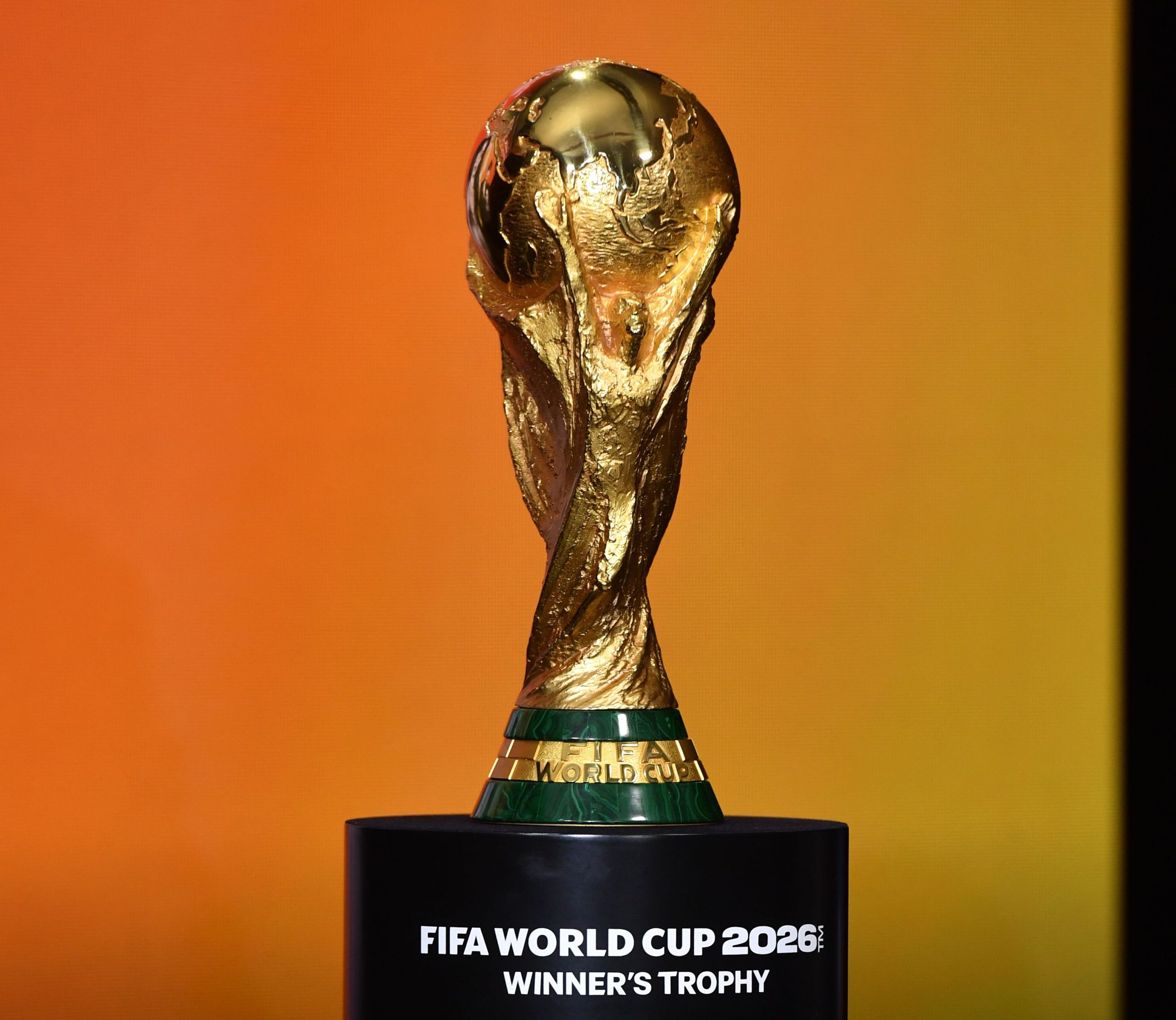



The 2026 FIFA World Cup is here — and it will see a record number of Muslim-majority nations take part in the tournament.
Jointly hosted by the United States, Canada and Mexico, the competition has expanded to 48 teams, opening the doors for more Muslim nations to participate.
The Muslim-majority nations set to compete are:
- Algeria
- Bosnia and Herzegovina
- Egypt
- Iran
- Iraq
- Jordan
- Morocco
- Qatar
- Saudi Arabia
- Senegal
- Tunisia
- Turkiye
- Uzbekistan
An honorary mention also goes to the Ivory Coast, where Muslims make up an estimated 43% of the population.
Established contenders, historic breakthroughs
Among those competing this year are teams with World Cup pedigree, such as Morocco and Senegal.
Morocco made history at the 2022 World Cup by becoming the first African and Arab nation to reach the semi-finals. Senegal also impressed in Qatar, reaching the quarter-finals.
Turkiye reached the semi-finals back in 2022, securing a third-place finish. But it has failed to reach the tournament since those highs and returns after a 24-year sojourn.
The tournament features two notable debutants. Jordan and Uzbekistan are both set to make their first-ever appearances on football’s biggest stage.
Meanwhile, Iraq returns to the World Cup for the first time since its sole previous appearance at Mexico 1986, marking the end of a 40-year absence from the competition.
Iran will compete after its participation was cast into doubt amid tensions surrounding the war with the United States. But rather than being based in the US, Iran will instead be accommodated in neighbouring Mexico.
Human rights concerns
The situation underscores the wider political backdrop against which this year’s tournament is being played.
While the World Cup is traditionally celebrated as a global festival of sport, several rights groups have raised concerns about human rights issues in the United States and their potential impact on minority communities, including Muslims.
Advocacy organisations have warned visitors and athletes about rising anti-immigrant rhetoric, discrimination, growing concerns over civil liberties and the rise of authoritarianism.
Those concerns were highlighted when Somali referee Omar Artan, who had been due to become the first Somali official to take part in a World Cup, was denied entry.
Yet criticism of the tournament’s host nation has remained relatively muted compared with the intense scrutiny directed at Qatar ahead of the 2022 World Cup, when international media and political figures repeatedly placed human rights concerns at the centre of coverage.
The contrast has reignited debates about consistency in how major sporting events are judged, and whether similar standards are applied regardless of where tournaments are held.