






By Nawal El Makni, Muslim Hands
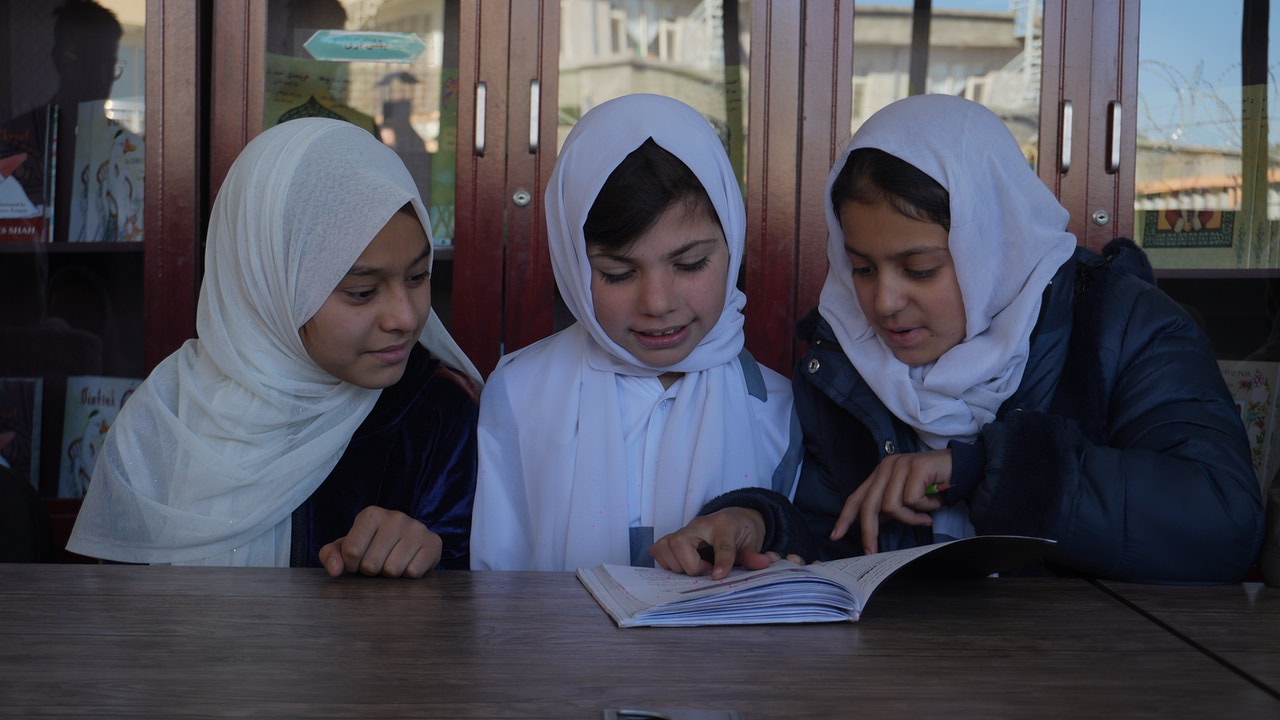
As I entered the classroom, I was warmly greeted by sixteen Afghan girls, all orphans and no older than twelve. Though they smiled brightly, there was a sadness hanging over the room. It was their final day at the Muslim Hands School of Excellence in Kabul. Under Taliban restrictions, education beyond primary level has been banned for girls, pushing an estimated two million Afghan girls out of the classroom [UNESCO] their hopes and dreams for a future on their own terms dashed into nothingness.
Among them was Marwah, an exceptional student whose tears reflected the weight of that final day. She handed me a letter, beautifully written in English, describing what school meant to her, how much she loved learning and her dream of becoming a doctor. As the mother of a daughter the same age, I found it impossible not to imagine how I would feel if her education were suddenly taken away.
For too many Afghan girls, the loss of education means facing a future increasingly shaped by child marriage, early motherhood and limited opportunity. The statistics already show that an estimated 28% of Afghan women aged 15 to 49 were married before the age of eighteen [UNICEF]. Adolescent pregnancies carry greater risks of complications during pregnancy and childbirth, particularly in countries where access to healthcare is already limited.
Therefore, education does far more than prepare girls for future careers. It can help protect girls from harmful cycles of child marriage, abuse and exploitation. It can also equip them with the knowledge and confidence to make informed decisions about their health, particularly during pregnancy and childbirth, such as nutrition, hygiene, prenatal care and pregnancy risks.
However, the consequences extend beyond individual lives. In Afghanistan, professions such as nursing and midwifery are female only, reflecting strict cultural norms that mean women rely on care from female health workers. Births are frequently attended by women, whether skilled professionals or family members. Restricting girls’ education today risks creating a future shortage of the very nurses, midwives and doctors Afghanistan depends on to protect mothers and newborns.
If these restrictions continue, the supply of female health professionals will inevitably decline, placing even greater strain on a system that is already struggling and putting more mothers’ lives at risk. Afghanistan already has one of the highest maternal mortality rates in the world, with one maternal death recorded every seventy minutes [WHO].
The scale of that challenge becomes clear when travelling through Kabul. Poverty is visible everywhere: women begging by busy roadsides, children without shoes and shuttered businesses lining the streets. For many families, putting food on the table is already a daily struggle. Accessing healthcare, even when urgently needed, can feel impossible.
Although maternal healthcare is intended to be free, the reality is often very different. Significant reductions in international aid have contributed to the closure of hundreds of medical facilities. Access to the best maternal care is now predominantly available at private hospitals and this is where the disparity emerges. For those women who reside in rural areas, vast distances to access maternal healthcare facilities, coupled with poverty, has meant putting their lives at risk when emergencies occur.
The importance of female healthcare workers becomes immediately apparent inside facilities such as the Muslim Hands Motherkind Clinic in Pul-e Charkhi district. Since 2011, the clinic has provided free maternal healthcare, including antenatal and postnatal care, safe deliveries and malnutrition treatment. Through community outreach programmes, 22 female healthcare workers also support mothers in their homes and reach women living in remote communities.
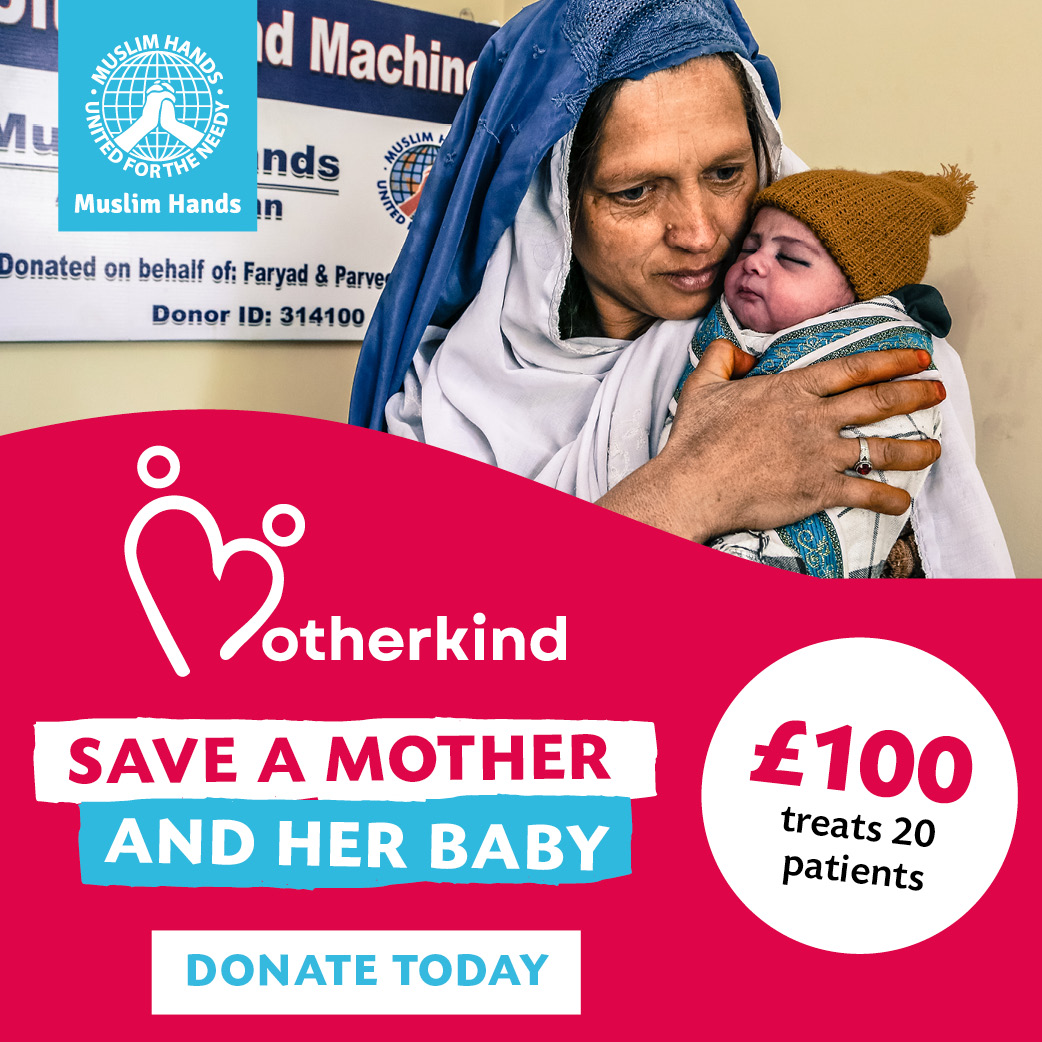
As I walked through the waiting room, I met Bibi Fatima, who was holding her two-week-old son, Haider. Born at the clinic, he had returned for his postnatal check-up and vaccinations.
“This is my first time giving birth,” she told me. “Without this clinic, I would have been lost as to what to do. The community health workers have been so helpful and told me what I could expect.”
Sani Khogiyani, who has worked as a community health worker at the clinic for thirteen years, spoke about both the rewards and challenges of supporting families.
“We do everything within our power to give the best advice to mothers and their babies,” she said. “We have made progress, but the needs remain overwhelming.”
Their work highlights the critical role that nurses, midwives and community health workers play in improving maternal health and reducing preventable deaths. Yet it also raises a troubling question: who will replace them if today’s girls are denied the education needed to follow in their footsteps?
I found myself thinking again about Marwah and her dream of becoming a doctor. I imagined her walking through corridors like these one day, caring for mothers and newborn babies with the same determination and passion she showed in her classroom.
For Afghanistan’s mothers, daughters and future generations, that dream matters. Because when girls are denied an education, the consequences extend far beyond the classroom. They are felt in hospitals, clinics and homes across the country. And unless opportunities are restored, Afghanistan risks losing not only the ambitions of girls like Marwah, but also the healthcare professionals its future depends on.